

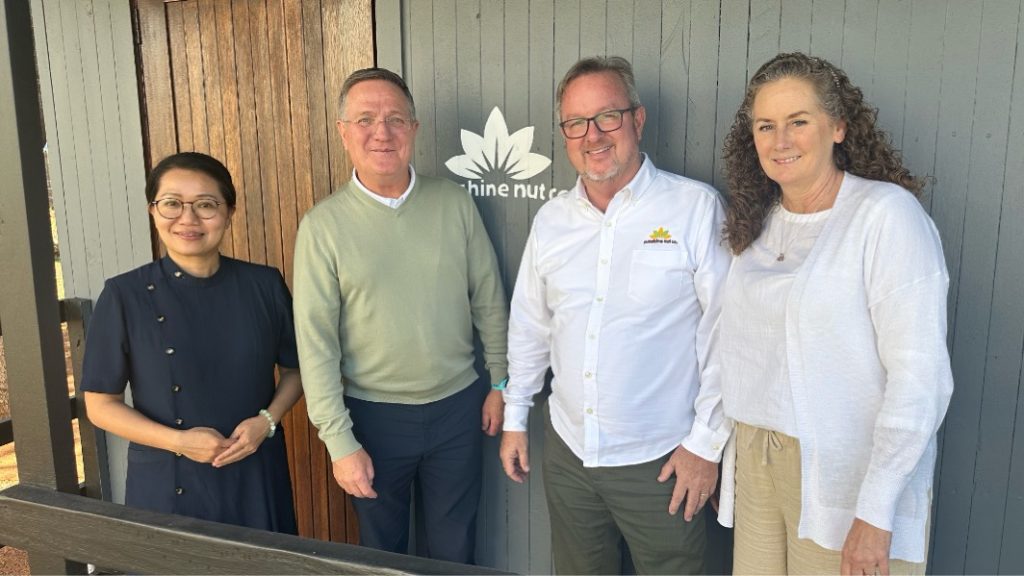
By Brian Grim
Ten years ago, I stood with Don and Terri Larson in Rio de Janeiro as we honoured them with the Global Business & Interfaith Peace Award. Their work in Mozambique already offered a compelling example of how business could become an instrument of human dignity, self-reliance and peace. I have been with them on other occasions since. But visiting them recently in Mozambique, walking through the Sunshine Nut Company factory and seeing the Sunshine Houses firsthand, deepened my appreciation for what they have built.
Don came to this work with more than three decades of experience in the global food industry, including as Head of Cocoa Purchasing for Hershey Chocolate. He understood supply chains, purchasing, quality, risk and margins. At Hershey, he helped shift an automated process to a more labour-intensive model in Mexico that improved quality and margins while creating substantially more employment.
That experience helped shape the question at the heart of what Don calls the Sunshine Approach: What if the same business disciplines companies use to protect their margins were deliberately used to protect the dignity, opportunity and future of people at the beginning of the supply chain?
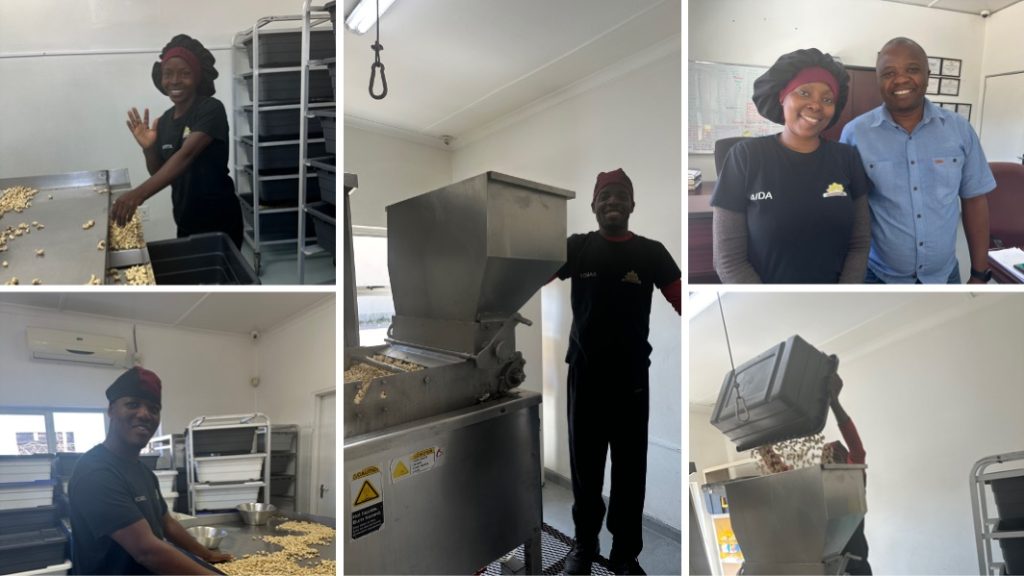
In Mozambique, they have turned that question into practice. Sunshine works with local farmers, purchases their cashews, processes them locally, creates jobs and connects the finished product to markets.
Walking through the factory, I saw much more than cashews. I saw people being given the opportunity to develop skills, earn livelihoods and participate in an enterprise that treats them as contributors to economic growth rather than beneficiaries of charity. This is social impact employment in practical form.
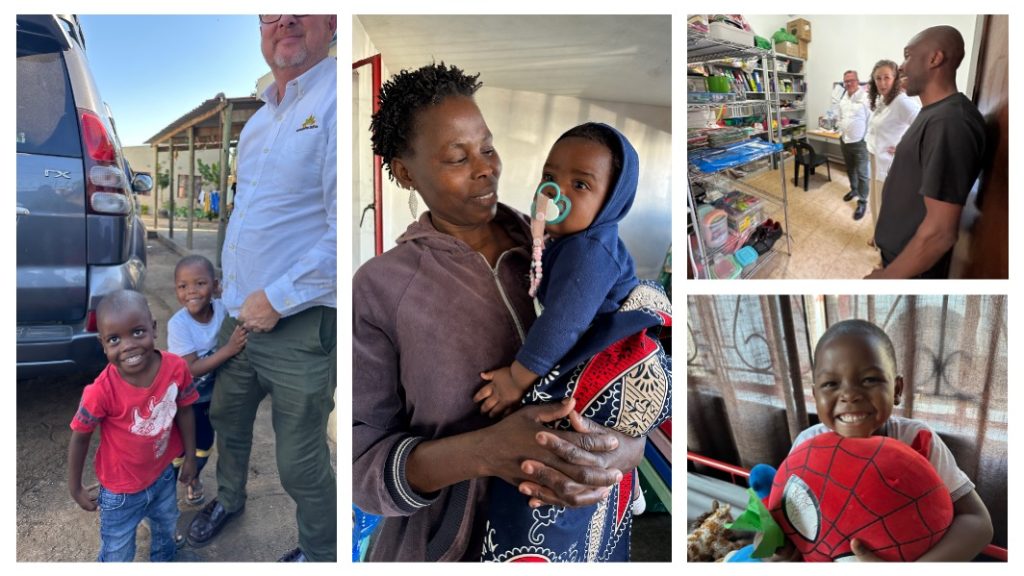
The Sunshine Houses reveal another dimension of this vision. Rather than treating widows and orphaned children as separate groups in need of assistance, Don and Terri bring them together, pairing widows with orphans to form new families. Widows become mothers to children who need the security and love of a home, while the children give these women renewed family, belonging and purpose. These households show that empowerment is also about restoring the human bonds through which people flourish. Those whom society might regard primarily as vulnerable instead become sources of strength for one another.
What makes this especially exciting is the potential synergy with the work of Tzu Chi Foundation in Mozambique. Tzu Chi’s humanitarian presence demonstrates the power of faith-inspired compassion translated into sustained action. Its work helps communities recover from disaster, rebuild livelihoods, strengthen resilience and move towards self-reliance.
Sunshine brings a complementary piece to that journey. Humanitarian assistance can help people survive a crisis and regain their footing. Enterprise can then help create the employment, markets, skills and income that allow recovery to become durable. Tzu Chi and Sunshine therefore represent two powerful parts of a common vision: compassionate service that meets immediate human need, joined with economic opportunity that helps people build a sustainable future.
This matters particularly in communities experiencing poverty, disaster or conflict. Peace is not simply the absence of violence. It is strengthened when people can provide for themselves, see a future for their children, participate meaningfully in their communities and believe that tomorrow can be better than today.
That is why seeing Sunshine firsthand was such an honour. Don and Terri are not merely talking about a more humane economy. They are building one, practically, from the ground up.
Their work also challenges conventional boundaries between business and charity. Communities need compassion and commerce working together. Compassion can identify the person who is being overlooked. Business can help create the structures through which that person’s talent, work and aspirations become economically sustainable.
As we prepare for Dare to Overcome: The Economics of Kindness in London this October, the Sunshine Approach offers a powerful message for global business leaders. Kindness is not the opposite of commercial discipline. It can help determine where that discipline is directed and whose flourishing is included in our definition of success. And that makes their achievement especially relevant to our London gathering.
I was honoured to see what Don and Terri have created. Even more, I left Mozambique convinced that their example deserves to be studied, shared and multiplied. Planting hope practically means helping people move from vulnerability towards agency, from dependence towards self-reliance, and from isolation towards community. Sunshine shows what can happen when business puts its best tools to work for those whom the economy too often leaves behind.
You can meet Don and Terri Larson and hear the Sunshine story firsthand at Dare to Overcome: The Economics of Kindness in London, 12–16 October 2026. Don will share on 13 October at Salesforce Tower how the Sunshine Approach grew from lessons learned in global business into a practical model for investing in people, creating dignified employment and building pathways from vulnerability to self-reliance. Their ehttps://dto.world/index.php/salesforce-tower-tuesday-13-october-2026/xperience in Mozambique is precisely the kind of example DTO London seeks to bring to the global conversation: proof that kindness, applied with business discipline and human ingenuity, can create prosperity, strengthen communities and help build peace.